
Why Your Sleep and Your Smile Are Connected: A Guide to Airway Health1. Introduction: Meet Dr. Maryam Seifi and the "Breath of Life"
This is a subtitle for your new post
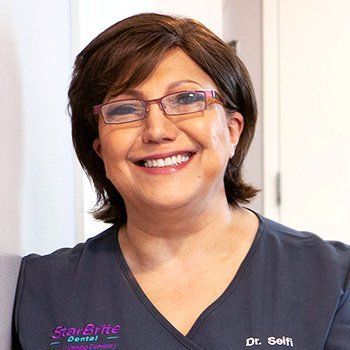
When you think of a dentist, you likely think of someone who fills cavities or straightens teeth to give you a pretty smile. However, for over 30 years, I have looked at dentistry through a different lens. My name is Dr. Maryam Seifi, DDS, D.ASBA. I am a Diplomate of the American Sleep and Breathing Academy and a Qualified Dentist of the American Academy of Dental Sleep Medicine (AADSM). In my three decades of clinical practice, I have come to realize that a beautiful smile is only a small part of a much larger, more vital picture: your ability to breathe.
I often describe myself as a "medical detective." When I look into a
patient's mouth, I am not just looking for decay; I am looking for clues that tell the story of their overall health. My core philosophy is that the mouth, the jaw, and the airway are all part of one connected system. If one part is underdeveloped, the entire body suffers.
To understand this, let’s use a simple analogy. Imagine your jaw is a "house" and your airway consists of the "pipes" that deliver the "Breath of Life"—oxygen—to your brain and organs. If the house is built too small or is narrow and cramped, the pipes get squeezed. When those pipes are restricted, air cannot flow freely. At my practices,
StarBrite Dental and
Breath of Life Dental (BOLD), we don't just put a decorative coat of paint on the house; we expand the structure so the pipes can finally do their job.
The "Domino Effect": How Your Jaw Shape Changes Your Health
Many people assume that snoring is just a “bad habit” or exhaustion is just a natural part of aging. As a medical detective, I can tell you that these are actually symptoms of a physical, structural problem called "anatomical underdevelopment."
But
why is this happening? To find the root cause, we have to look at modern history. Our ancestors had wide jaws and straight teeth because they ate hard, fibrous foods and breastfed for long periods. These activities required intense muscle work that "trained" the jaw bones to grow wide and forward. In our modern world, we eat soft, processed foods and spend less time breastfeeding. This lack of muscle "exercise" means the Maxilla (the upper jaw) often fails to grow to its full potential.
When the Maxilla is narrow or wedge-shaped, it triggers a dangerous "Domino Effect":
- The Jaw Stays Narrow: Because the bones didn't get the signal to grow wide, the "house" remains too small.
- The Dental Arch Squeezes: The horseshoe shape of your teeth becomes narrow and crowded. This is why many people have crooked teeth. There simply isn't enough room for them to fit.
- The Nasal Passage Shrinks: Since the roof of your mouth is also the floor of your nose, a narrow jaw means a restricted nasal airway.
- The Tongue Loses Its Home: Your tongue is a large muscle that needs a wide "floor" to sit on. If the jaw is too narrow, the tongue is forced backward into the throat.
- The Airway Collapses: Especially during sleep, when muscles relax, the tongue falls back and blocks the "pipe," starving the body of oxygen.
This is not a choice or a habit; it is a structural failure of the facial bones that creates a lifelong struggle for air.
Understanding the Spectrum: Snoring vs. Sleep Apnea
In the medical world, we use the term "Sleep-Disordered Breathing" (SDB) to describe a range of airway problems. It is a spectrum that moves from a "warning light" to a "medical emergency."
Chronic Snoring: The Diesel Engine
Snoring is the sound of air struggling to squeeze through a narrow, vibrating tube. If your family tells you your snoring sounds like a
"poorly-tuned diesel truck engine," pay attention. This is a loud, clear signal that your airway is partially blocked. It is not just a noise; it is the sound of your body straining to survive the night.
Obstructive Sleep Apnea (OSA): The Total Blockage
This is the most dangerous point on the spectrum. In OSA, the airway closes completely. Your breathing can stop for anywhere from 10 seconds to 2 full minutes. During this time, your blood oxygen levels drop rapidly. Your brain eventually realizes you are suffocating and sends a "panic signal" to wake you up just enough to gasp for air. This can happen hundreds of times a night, preventing you from ever reaching the deep sleep your brain needs to clean out toxins.
Upper Airway Resistance (UARS): The Sleeping Marathon
With UARS, your airway doesn't close all the way, but it is so narrow that breathing feels like sucking a thick milkshake through a tiny straw. Your body has to work so hard to pull air in that your heart rate stays high all night. People with UARS often wake up feeling like they ran a marathon while they were sleeping. They are exhausted, even if they "slept" for eight hours.
Adult Red Flags: Symptoms You Can See and Feel
When your airway is restricted, your body enters a state of chronic stress. This isn't just about being tired; it is about systemic health failure. Below is a guide to how these structural airway problems manifest in your daily life.
Physical Signs include:
- High Blood Pressure
- Heart Attack & Stroke
- Alzheimer’s Disease
- Type 2 Diabetes
- Weakened Immune System
- Lowered Sex Drive
Mental and Mood Signs
- Chronic Fatigue: The heart pumps harder and faster to move limited oxygen to the brain.
- "Brain Fog": Chronic oxygen deprivation damages the cardiovascular system and brain tissue.
- Depression & Anxiety: Deep sleep is when the brain "washes" itself of toxins linked to dementia.
- Irritability: Poor sleep disrupts the hormones that control blood sugar and hunger.
- Concentration Issues: The body spends its energy fighting for air instead of fighting off germs.
- Morning Headaches: Lack of oxygen and high carbon dioxide levels cause blood vessels to swell.
If you are managing these conditions with pills but never addressing your airway, you are only treating the smoke while the fire continues to burn.
The Secret Language of Teeth: What Your Dentist Sees
As a medical detective, I look for "the secret language of teeth." Long before a patient is diagnosed with a heart condition, their mouth provides the "clues" that their airway is in trouble.
One of the most common signs is Bruxism (Teeth Grinding). For years, people were told they grind their teeth because they are stressed. While stress is a factor, the real root cause is often a survival mechanism. When your airway collapses at night, your brain enters a "panic mode." It commands the jaw to grind and thrust forward. This movement is a desperate attempt to pull the tongue forward and open the airway so you don't suffocate. Your brain is purposely sacrificing your teeth to save your life.
Other oral "clues" we look for at StarBrite Dental include:
- Worn or Broken Teeth: Evidence of the nightly battle for air.
- Inflamed or Receding Gums: Mouth breathing dries out the tissues, allowing bacteria to thrive and causing chronic inflammation.
- Scalloped Tongue: When the jaw is too narrow, the tongue is pushed against the teeth, leaving "teeth marks" along its edges.
- TMJ and Jaw Pain: When the jaw is recessed or the bite is misaligned, it puts constant strain on the joints and neck muscles.
Pediatric Airway Health: Helping Kids Breathe and Grow
Airway health is most critical in children because their bodies are still being built. When a child’s jaw is narrow, their brain and body do not get the oxygen required for proper development.
A tragic and common mistake is the misdiagnosis of ADD or ADHD. When a child isn't getting restful, oxygen-rich sleep, their brain stays in "survival mode." This makes them hyperactive, impulsive, and unable to focus. They aren't "bad kids"; they are exhausted kids whose brains are struggling to function on low fuel.
Parents can act as detectives by watching for these visual markers of a narrow airway:
- Venous Pooling: Dark, puffy circles under the eyes (often called "allergic shiners").
- Mouth Breathing: A child’s mouth should be closed at rest. Constant mouth breathing leads to "Long Face Syndrome," where the face grows narrow and the chin recedes.
- Gummy Smiles: This can be a sign that the Maxilla (upper jaw) did not grow forward and downward properly.
- Crooked Teeth: A clear sign the "house" is too small for the teeth—and the airway.
By intervening early (often around ages 7 to 9), we can use the child's natural growth to expand the jaw. This "opens the pipes" and can prevent a lifetime of chronic illness.
Beyond the Mask: Permanent Solutions vs. Temporary Fixes
For decades, the standard treatment for sleep apnea has been the CPAP machine. While the CPAP can be a lifesaver, it is a symptom manager, not a cure. It uses a motor to force air past the obstruction, but it does nothing to fix the narrow jaw that caused the obstruction in the first place.
At my practices, we focus on a Biomimetic approach. "Biomimetic" means mimicking nature. We use the Vivos System, a revolutionary technology that uses your body's natural ability to grow bone—even in adults.
These appliances (such as the DNA appliance for expansion or the mRNA appliance for Mandibular Repositioning) gently signal the jaw bones to expand and move into the correct position.
Traditional CPAP
- Approach: Symptom management (Band-aid).
- Effect: Temporary; symptoms return if stopped
- Convenience: Requires a mask, hoses, and power.
- Daily Life: Can be bulky and loud for partners.
- Interference: Disrupts travel and sleep positions.
- Success Rate: High drop-out rate due to discomfort.
Vivos System (DNA/mRNA)
- Approach: Root cause resolution (Structural).
- Effect: Permanent; reshapes the jawbone for life.
- Convenience: Removable appliance; no noise or power.
- Daily Life: Worn 12–15 hours/day (mostly at night).
- Interference: No disruption to school, work, or sports.
- Success Rate: 97% of patients achieve their goals
The typical treatment lasts about 18 months. Because we are changing the actual shape of the bone, the results are permanent. You aren't just managing sleep apnea; you are potentially eliminating it.
A Path to Better Vitality
Your health and vitality depend entirely on a sound airway and quality sleep. As we have seen, the shape of your smile is the blueprint for your ability to breathe. Whether you are an adult struggling with "diesel engine" snoring and brain fog, or a parent noticing dark circles under your child’s eyes, there is a structural explanation and a permanent solution.
My mission is to go beyond surface-level dentistry. At Breath of Life Dental (BOLD) in North Bethesda, we focus specifically on these advanced airway and sleep therapies. At StarBrite Dental in Rockville, we integrate this airway-centric philosophy into comprehensive, permanent dentistry for the whole family.
You don't have to settle for "managing" your exhaustion. We invite you to join us for a Free Educational Seminar or a private consultation to see how we can "Open Your Airway and Change Your Life."
Take the first step toward the "Breath of Life" today.
Breath of Life Dental (BOLD) 5924 Hubbard Dr, North Bethesda, MD 20852 (301) 719-3219
StarBrite Dental 5936 Hubbard Dr, Rockville, MD 20852 (301) 770-1070
Frequently Asked Questions About Airway Dentistry in Rockville, MD
1. Can a dentist really help with sleep apnea?
Yes. While a physician diagnoses sleep apnea through a sleep study, dentists trained in airway dentistry can identify structural causes and provide treatment.
At StarBrite Dental Rockville, Dr. Seifi evaluates jaw development, tongue position, and airway space to determine whether anatomy is contributing to sleep-disordered breathing. Correcting jaw structure can significantly improve symptoms in many cases.
2. What are the early signs of an airway problem in adults?
Common warning signs include:
- Loud snoring
- Waking up tired despite adequate sleep
- Morning headaches
- Teeth grinding (bruxism)
- Brain fog or poor focus
- High blood pressure
- Anxiety or irritability
If you’re experiencing these symptoms in Rockville, MD, an airway issue may be impacting your health.
3. Is airway dentistry a permanent solution or a temporary fix?
Airway dentistry focuses on structural correction, not just symptom management. Unlike CPAP, which works only while worn, biomimetic oral appliance therapy promotes natural jaw development over time. The goal is lasting airway improvement rather than lifelong device dependence.
4. Am I too old for airway treatment?
Not necessarily. Modern biomimetic therapies stimulate natural bone remodeling, even in adults. During your consultation at StarBrite Dental Rockville, we evaluate your anatomy to determine if you’re a candidate for structural airway treatment.
5. Can airway problems affect my heart or overall health?
Yes. Chronic airway obstruction lowers oxygen levels and keeps the body under stress. Untreated sleep-disordered breathing has been linked to:
- High blood pressure
- Cardiovascular disease
- Type 2 diabetes
- Cognitive decline
- Weakened immune function
- Your airway health directly impacts your overall wellness.
6. What happens during an airway consultation in Rockville, MD?
At StarBrite Dental (5936 Hubbard Dr, Rockville, MD 20852), we:
- Review your medical and sleep history
- Examine jaw structure and dental arches
- Assess tongue position and oral posture
- Screen for sleep-disordered breathing
If needed, we collaborate with a sleep physician for further testing. To schedule a consultation, call (301) 433-7357.
7. How do I know if my child has an airway issue?
Children often show different signs, including:
- Mouth breathing
- Snoring
- Dark circles under the eyes
- Difficulty concentrating
- Hyperactivity or ADHD-like behavior
- Crowded or crooked teeth
Early intervention can significantly improve long-term health and development.