
Why Your Dentist Might Be the Key to Your Best Night’s Sleep: 5 Surprising Truths About the "Airway Crisis"
This is a subtitle for your new post
Imagine waking up after a full eight hours of sleep feeling as though you haven't rested at all, your heart racing and your mind foggy. This "exhausted sleeper" phenomenon is often a structural struggle rather than a simple sleep deficit, as the body unconsciously modifies its posture and tenses its muscles just to keep the airway open. Modern science suggests that the mouth is the primary gateway to the airway, and "airway-centered dentistry" is a paradigm shift in treating the root causes of chronic fatigue.
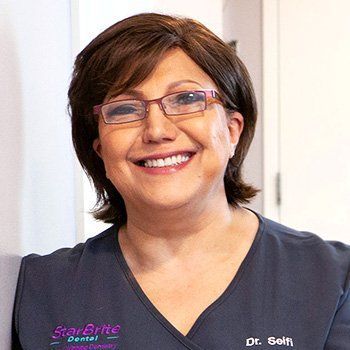
Dr. Maryam Seifi, a Diplomate of the American Sleep and Breathing Academy with over 30 years of experience, is a leading advocate for this structural approach. To address the growing demand for these life-changing treatments, she founded Breath of Life Dental (BOLD), a specialized center dedicated to airway health. Dr. Seifi views the mouth and jaw as the foundation for healthy oxygenation, looking beyond the teeth to ensure the body isn't under constant physiological stress.
Teeth Grinding is Often a Cry for Oxygen
Many patients view bruxism, or teeth grinding, as a mere nervous habit or a reaction to daily stress. In reality, grinding is frequently the body’s desperate effort to wake itself up to take a breath when the airway becomes obstructed. When throat tissues collapse, the jaw clenches and grinds to stimulate the brain, forcing the body out of deep sleep to restart the breathing process.
Dentists are often the first healthcare professionals to detect these hidden sleep disorders because the mechanical trauma of grinding leaves clear evidence in the mouth. These "telltale signs" of sleep-disordered breathing include:
- Worn down, flattened, or chipped teeth
- Inflamed or receding gums
- An increase in cavities caused by bacteria entering grinding-related cracks
- Broken dental work or frequent headaches upon waking
"Dental issues can be among the first signs of it [sleep apnea]. Only a medical doctor can accurately diagnose sleep apnea, but your dentist is well qualified to let you know that you should get yourself checked." — Dr. Maryam Seifi
Your Jaw Structure is a "Domino Effect" for Health
The anatomical root cause of sleep-disordered breathing is often an underdeveloped maxilla (upper jaw) or a narrow palate. This "Modern Jaw" dilemma is a byproduct of cultural shifts, where softer diets and reduced breastfeeding time have diminished oral muscle development. When the jaw doesn't reach its full potential, it lacks the necessary room for the tongue and teeth to reside properly.
A recessed jaw or a narrow arch forces the tongue back into the throat, physically blocking the airway during sleep. This structural deficiency triggers a domino effect: the body must work harder to pull in oxygen, leading to increased cortisol levels and unnecessary strain on the heart. Without correcting the bone structure, the patient remains trapped in a cycle of oxygen deprivation regardless of their sleep hygiene.
The Structural Root Cause vs. Symptom Management
While traditional treatments often address the noise of snoring, they rarely fix the "why" behind the obstruction. If the maxilla is too narrow, the nasal passages are often restricted as well, forcing mouth-breathing and further airway collapse. True resolution requires addressing these structural inadequacies to ensure the airway remains open and functional 24 hours a day.
CPAP is a Management Tool, Not a Cure
For decades, the standard treatment for Obstructive Sleep Apnea (OSA) has been the CPAP machine, which uses forced air to keep the airway open. While life-saving for some, CPAP has a non-compliance rate of 40% or higher because many find the masks claustrophobic or inconvenient. Critically, CPAP is a "forever" management tool that does nothing to fix the underlying anatomical problem.
In contrast, the
Vivos System (including DNA and mRNA appliances) uses a biomimetic approach to encourage the body to naturally expand the palate and arches. Unlike standard mandibular repositioning devices that merely pull the jaw forward temporarily, these appliances spur bone growth even in adults. This results in a permanent structural change that can lead to a "CPAP-free life."
The "Too Late" Myth of Childhood Orthodontics
Traditional orthodontics typically suggests waiting until a child is 13 or 14 to begin treatment, but for airway health, this is often "starting way too late." By age 7 or 8, a dentist can evaluate a child's jaw development and use early intervention to guide growth. This proactive approach can prevent future sleep apnea and ensure the child’s airway is fully developed before the bone structure fuses.
A major distinction in airway-centered dentistry is the focus on expanding the bone rather than the traditional method of extracting healthy teeth to create room. Expansion creates a wider arch that accommodates the tongue, whereas extractions can further restrict the oral cavity. Parents should monitor for these pediatric airway "red flags":
- Chronic snoring, gasping, or mouth-breathing
- Learning disabilities or difficulty concentrating in school
- Erratic behavior, irritability, or symptoms mimicking ADHD
- Chronic fatigue, headaches, and dry mouth upon waking
"Opening Airways" Changes More Than Just Sleep
Airway health is the linchpin of systemic vitality; in fact, source data shows that 63% of patients depend on their dentists to treat the root cause of their OSA. When breathing is interrupted, blood oxygen levels plummet, putting the body in a state of "fight or flight" throughout the night. This chronic stress is directly linked to several serious conditions:
- High blood pressure and cardiovascular disease
- Type 2 diabetes and metabolic syndrome
- Cognitive impairment, depression, and anxiety
- Weakened immune system and chronic inflammatory issues
The Vivos System at BOLD has shown that 97% of patients achieve their treatment goals by focusing on permanent structural correction. By normalizing oxygenation, patients see improvements in metabolic health and mental clarity. Moving from temporary symptom management to permanent airway expansion allows the entire body to shift from a state of survival to one of healing.
How Airway Dentistry in Rockville, MD Compares to CPAP, Oral Appliances, and Surgery
If you’ve been diagnosed with sleep apnea, you may be wondering which treatment option is truly best for you. CPAP therapy is highly effective at managing obstructive sleep apnea by forcing air through the airway at night. However, it does not correct the underlying structural problem. It must be used indefinitely, and many patients struggle with long-term compliance due to discomfort or inconvenience.
Traditional oral appliances reposition the lower jaw forward while you sleep. These can help reduce snoring and mild to moderate sleep apnea, but they work only while worn and do not expand or remodel the airway itself. Surgical options attempt to permanently enlarge the airway but are invasive and typically reserved for more severe cases.
At StarBrite Dental Rockville, our airway-centered approach focuses on identifying and correcting structural deficiencies in the jaw that contribute to airway collapse. Using biomimetic oral appliance therapy, we aim to encourage natural expansion of the dental arches and improve tongue space over time. Rather than managing symptoms nightly, this approach works toward long-term structural improvement.
If you are searching for a CPAP alternative in Rockville, MD, the first step is determining whether your sleep apnea is primarily structural. A comprehensive airway evaluation allows us to assess your candidacy and guide you toward the safest, most effective solution for your health.
FAQ: Sleep Apnea Treatment Options in Rockville, MD
1. Is airway dentistry better than CPAP?
CPAP is highly effective for managing moderate to severe sleep apnea. Airway dentistry focuses on structural correction. The best option depends on your diagnosis and anatomy.
2. Can airway therapy eliminate sleep apnea permanently?
In certain mild to moderate cases, structural expansion may significantly reduce or resolve sleep apnea. Results vary, and evaluation is required.
3. Is surgery the only permanent cure for sleep apnea?
Not necessarily. Some patients may benefit from structural remodeling through biomimetic appliance therapy without undergoing invasive surgery.
A New Lens on Vitality
The role of the dentist is evolving from a "tooth fixer" to a life-changer who manages the body's most vital resource: oxygen. Dr. Seifi’s philosophy at Breath of Life Dental (BOLD) emphasizes that the mouth, jaw, and sleep are inseparable components of whole-body health. When the structure of the mouth is corrected, the physiological stress on the heart and brain is lifted, allowing for true recovery.
If your daytime exhaustion isn't a "sleep" problem, but a "structure" problem, what is your airway trying to tell you?